
Cold Foil Label Printing
Impress your customers with metallic accents that help your labels shine.






What is cold-foil printing?
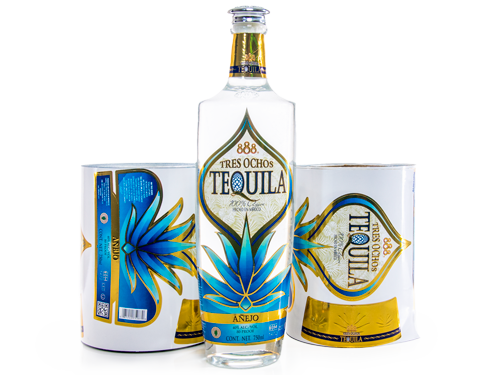
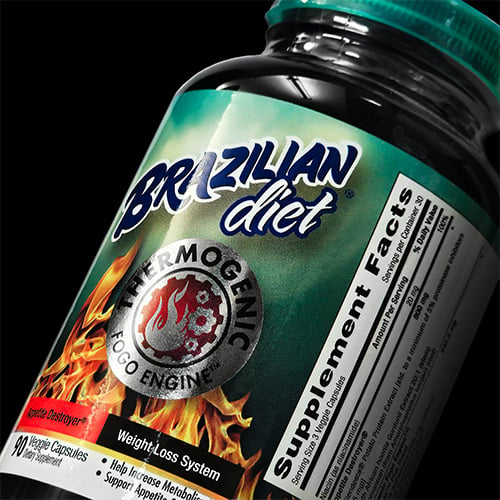
Cold-foil stamping refers to the addition of partial metallic foil to printed labels. Cold foil is added to a UV-curable adhesive and then applied to your label on press. The cold-foil process is cost-effective and more versatile than its "hot foil" counterpart.
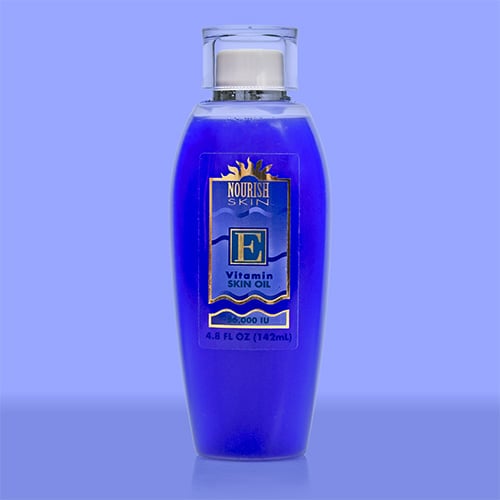
The classy touch of metallic foil adds shelf appeal to products. And you aren't limited to gold and silver - we can add a foil effect to any color you need. This process makes special finishes like holographic labels possible. Your dedicated sales team can help make your vision a reality.
Our Cold Foil Printing Capabilities
-
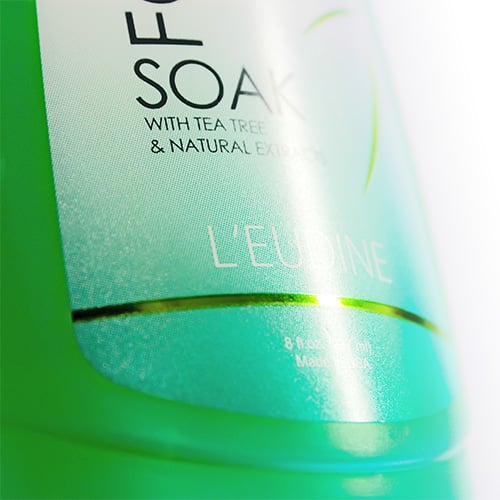
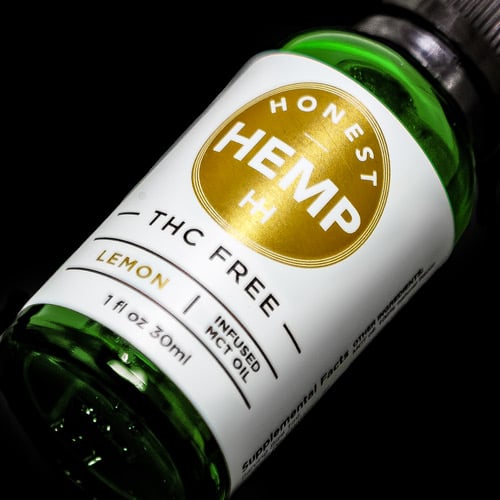
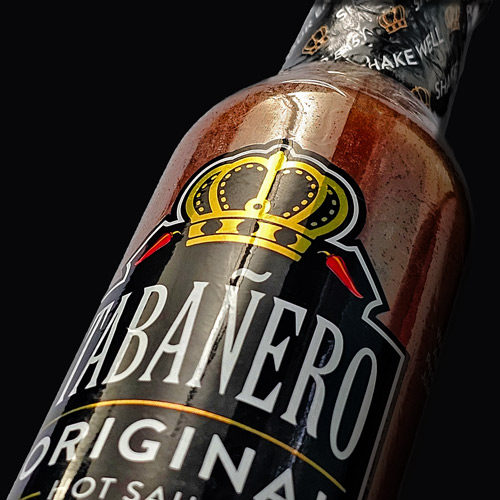
Various Colors & EffectsAdd foils in various colors like gold, silver, and holographic.
-
Compatible with Most MaterialsCold foiling works on most of our paper and film stocks.
-
Accurate & VersatileCold foil is great for applying fine details like small texts and graphics.
-
Fast & EfficientBecause cold foiling can be done inline during printing, labels can be produced more quickly than hot foiling.
Frequently Asked Questions About Cold Foil Printing
-
What is cold foil printing?
Cold foil printing is a process that applies metallic film to a sheet in-line while on press. The foil is transferred using adhesive and UV curing instead of heat. Because the foil can be overprinted with inks, cold foil allows for a wide range of metallic colors and design effects to help your products stand out.
-
What's the difference between hot and cold foil printing?
The main difference between hot foil and cold foil printing is how the foil is applied. Cold foil printing uses adhesive and UV light during the printing process, while hot foil stamping uses heat and pressure with a metal die. Cold foil is often faster and more efficient for label production.
-
Does cold foil stamping add to my turnaround time?
One of the main benefits of cold foil printing is its efficiency during press. Because it’s applied on press, your labels will print ready to ship in no additional time.
-
Is cold foiling better than hot foiling?
While both methods are commonly used in printing, cold foil printing is generally used for its cost-effectiveness and faster turnaround. The best option depends on the label material, design, and desired visual effect.
-
Can cold foil be combined with other label finishes?
Yes. Cold foil stamping can be combined with finishes such as laminates, varnish, embossing, and specialty coatings to create more complex label designs. If you’re looking to add an extra touch to your cold foil labels, contact our team to discuss custom finishing options for your project.